Posts for: #Sql

dbms- transaction

Definition

A transaction in DBMS is a finite sequence of database operations that is executed as one logical unit of work, meaning either all operations are performed successfully or none are performed.

-- Example for "logical unite of work"
Read(A)
A = A − 100
Write(A)
Read(B)
B = B + 100
Write(B)
Commit

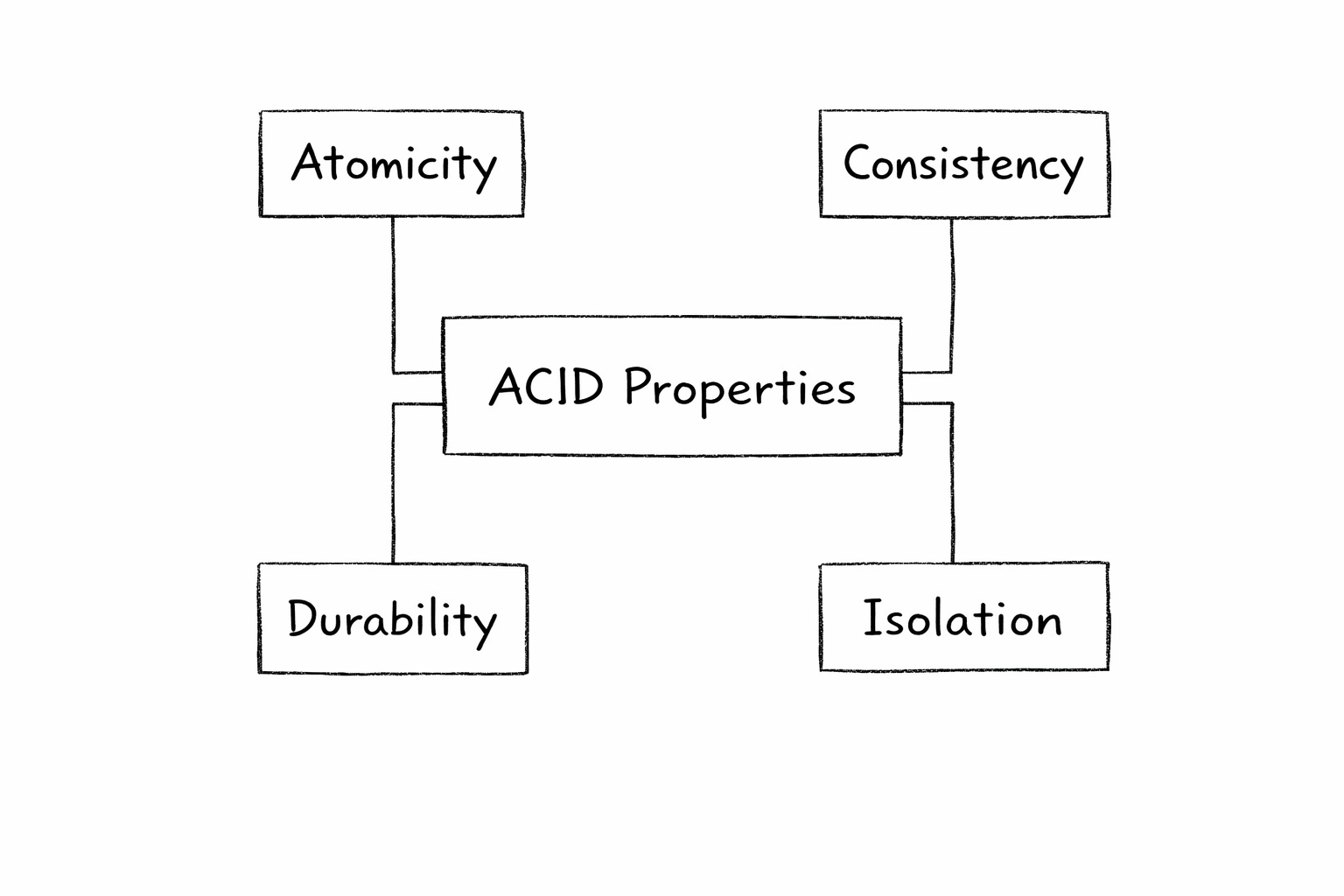
A transaction must satisfy the ACID properties to ensure database correctness and consistency.

Image Description


Key Points

  • A transaction groups multiple database operations into a single logical task
  • Partial execution is not allowed
  • Failure of any operation causes the entire transaction to rollback
  • Ensures reliability in concurrent and failure-prone environments

ACID Properties (Overview)

  • Atomicity – All operations execute or none execute
  • Consistency – Database remains in a valid state
  • Isolation – Transactions do not interfere with each other
  • Durability – Committed changes persist permanently

Schedule

A schedule is the execution order of operations of multiple transactions on the same database, possibly executed concurrently.

Read more →

PL/SQL Full Notes

What is PL/SQL?

  1. PL/SQL stands for Procedural Language Extension to SQL
  2. It is a Extension of SQL developed by Oracle.
  3. It adds SQL capabilities of procedural programming like variables, loops and conditional statements in SQL.

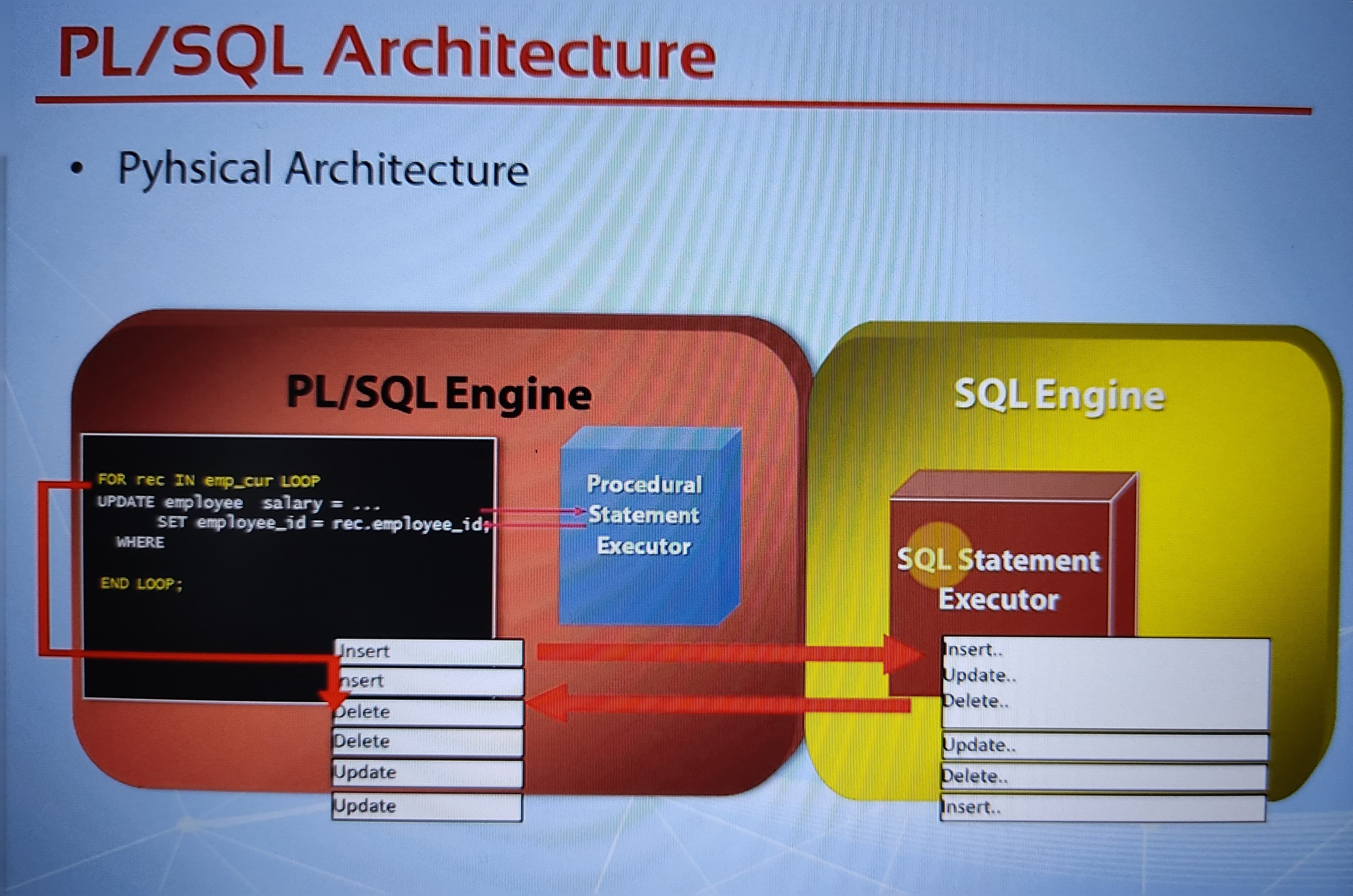
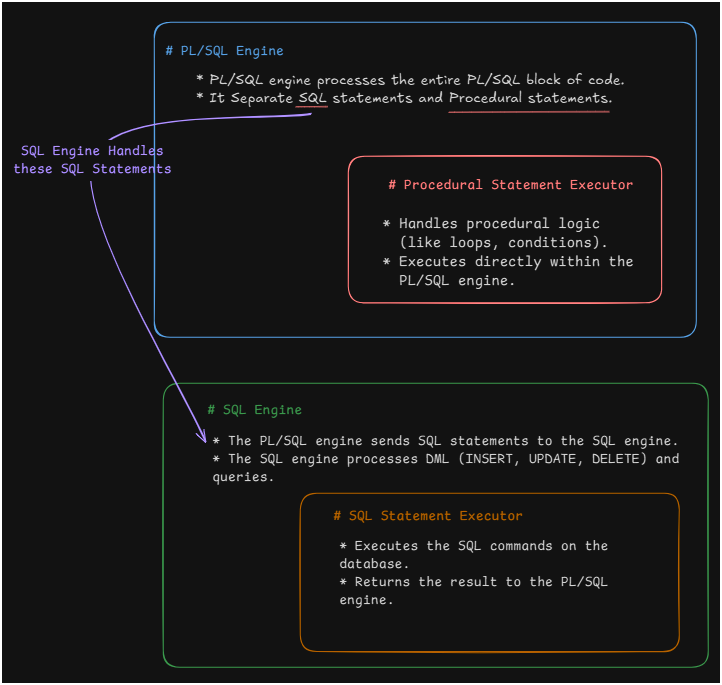
PL/SQL Architecture

Physical Architecture

Image Description

  • PL/SQL engine processes the entire PL/SQL block of code.
  • It Separate SQL statements and Procedural statements.

Simple Architecture Flow

Image Description

PL/SQL Logical Architecture

  • Corporates with SQL Engine.
  • Enables Subprograms -> Allows re-usability of code/script like variables and functions.
  • Dynamic Queries-> We can modify or create new Queries.
  • Case Insensitivity
  • Optimizer-> It optimizes our code for better performance.
  • Enables Object-Oriented Programming
  • Web Development #Extras Context Switching: When you write SQL Query in PL/SQL the PL/SQL send the query to SQL Engine and the result will be returned this operation is called Context Switching.

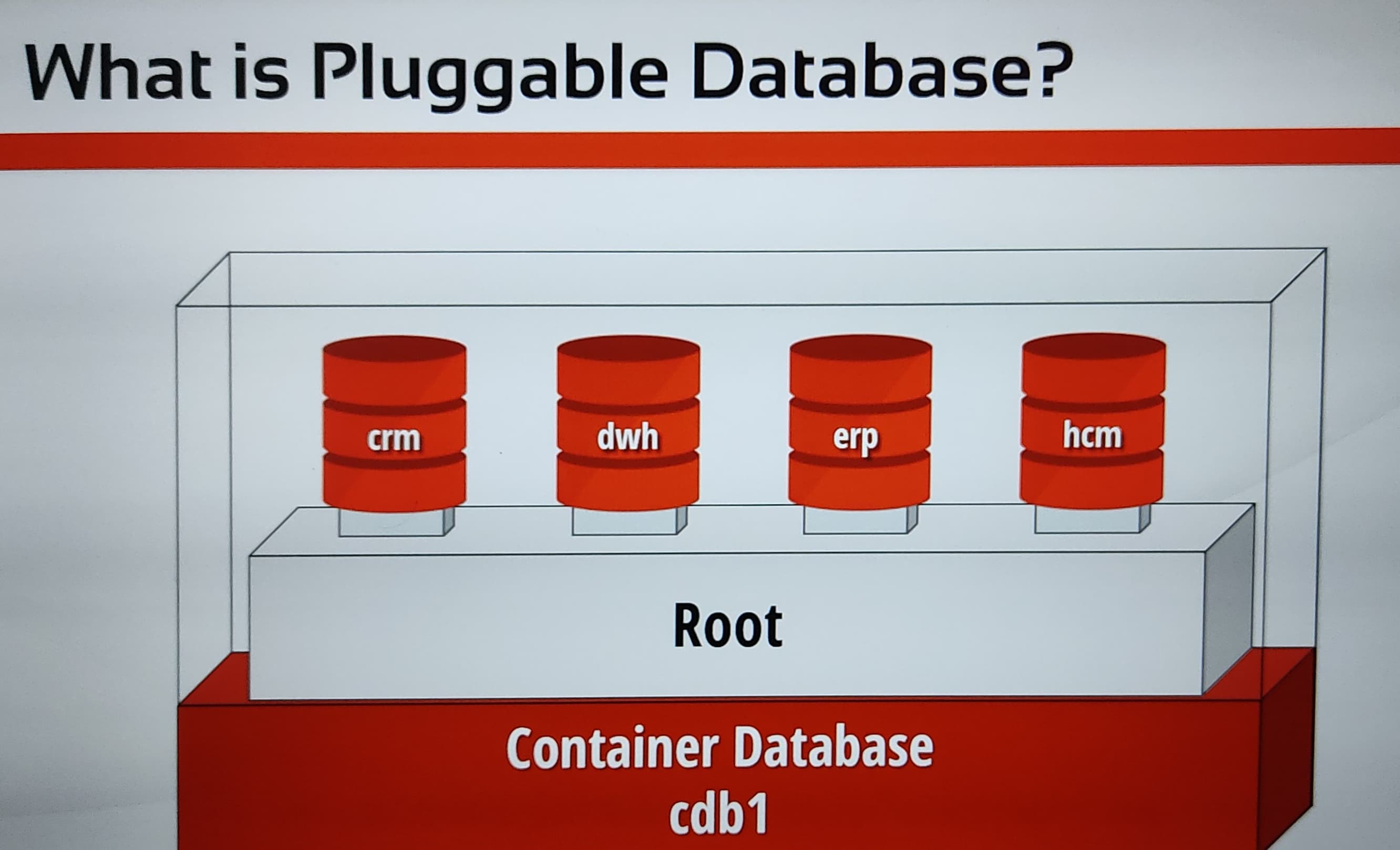
Pluggable Database

Image Description

Read more →